Tragedy Strikes Caluire: Driver Hospitalized, Charged with Aggravated Vehicular Homicide After Fatal Place Foch Accident
A serene afternoon in Caluire-et-Cuire, a commune just north of Lyon, was shattered on March 3rd by a devastating road accident at Caluire Place Foch that claimed the lives of two pedestrians and left others injured. The incident, involving a 72-year-old driver of a 4x4, quickly escalated into a criminal investigation, with the driver facing charges of aggravated vehicular homicide, even as he was hospitalized for injuries sustained in the crash.
The dramatic events unfolded rapidly, leaving a community in shock and raising serious questions about road safety and driver responsibility. This article delves into the details of the tragedy, the ongoing investigation, and the broader implications for urban safety.
A Day of Devastation at Place Foch: The Incident Unfolds
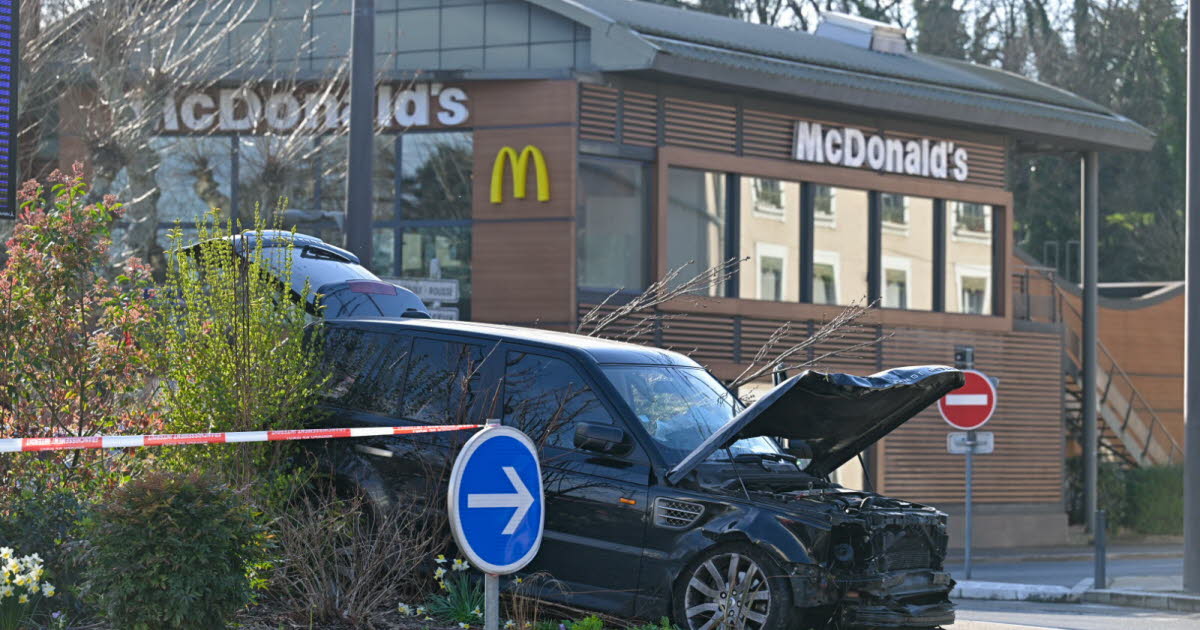
The incident occurred shortly after 2 PM on Tuesday, March 3rd, at the bustling Place Foch, specifically at the intersection with Rue Pasteur, directly opposite a McDonald's restaurant. This junction, a known hub of activity, became the scene of unspeakable tragedy when a 4x4 vehicle, reportedly a Range Rover type, veered violently out of control.
According to initial reports, including statements from Caluire-et-Cuire's mayor, Bastien Joint, the driver of the 4x4 is believed to have lost control of his vehicle. The devastating sequence of events began when the 4x4 allegedly struck two pedestrians who were crossing on a designated crosswalk. These victims, later identified as an 80-year-old man and a 79-year-old woman, both residents of Caluire, were tragically killed on impact.
The out-of-control vehicle continued its destructive path, colliding with another car – a Golf – before finally coming to a halt in the middle of the roundabout. The driver of the Golf, a woman in her forties, suffered injuries and required extrication from her overturned vehicle by emergency services, who transported her for medical care in a state of "relative emergency." The swift and brutal nature of the crash left local residents and witnesses reeling, transforming a routine afternoon into a scene of chaos and profound sorrow. The sheer force of the impact underscores the dangers present on our roads, even in seemingly ordinary urban environments.
The Driver, Hospitalization, and Legal Repercussions
In the immediate aftermath of the crash, the driver of the 4x4, a 72-year-old man residing in Lyon, was initially questioned by authorities. However, his physical condition quickly necessitated a change in plans. During his detention, the driver's health deteriorated, leading to the discovery of cervical injuries consistent with the impact of the collision. As a result, his police custody for aggravated vehicular homicide had to be temporarily suspended so he could be hospitalized and undergo surgery.
The charges of aggravated vehicular homicide (homicide routier aggravé) are serious and reflect the gravity of the incident. This charge typically implies circumstances that aggravate the offense, such as speed, impairment, or a particularly reckless act. While the investigation is ongoing to clarify the precise circumstances, initial reports suggest the driver may have confused the accelerator and brake pedals – a scenario that, while rare, can have catastrophic consequences, particularly in powerful vehicles like a 4x4. The interruption of his custody for medical reasons does not signify an end to the legal proceedings; it is a procedural necessity to ensure his health and well-being, after which the investigation and potential prosecution will resume.
The legal process in such cases is meticulous, involving accident reconstruction experts, witness testimonies, and vehicle forensics to establish the exact sequence of events and the driver's culpability. The outcome will depend on the findings of this comprehensive inquiry.
Community in Mourning: The Aftermath and Public Response
The impact of the fatal accident reverberated deeply through the Caluire-et-Cuire community. Mayor Bastien Joint was quick to express his profound condolences and solidarity with the victims' families and loved ones. He described the event as a "terrible shock for our city," conveying "our compassion and our support in this ordeal." Such tragic incidents leave an indelible mark on a community, often prompting reflection on local safety measures and the collective responsibility to prevent future occurrences.
Emergency services, including firefighters and police, were deployed in significant numbers to the scene, highlighting the severity of the crash. They worked for a considerable part of the afternoon to secure the area, provide assistance to the injured, and manage the aftermath. Authorities issued urgent appeals to motorists and local residents to avoid the sector around Place Foch to ensure that emergency operations could proceed without hindrance. This collaborative effort among various agencies is crucial in managing such crises effectively.
The emotional toll on witnesses, first responders, and the wider community cannot be overstated. The suddenness of the loss of two lives, particularly elderly residents who were simply crossing the street, underscores the fragility of life and the critical importance of vigilance on the roads.
Understanding and Preventing Similar Tragedies: Road Safety Insights
The Caluire Place Foch accident, while tragic, also serves as a stark reminder of the complexities of road safety and the multi-faceted approach required for prevention. Several key aspects warrant consideration:
The Phenomenon of Pedal Confusion
The hypothesis that the driver confused the accelerator and brake pedals is not entirely isolated. Studies and accident analyses indicate that such errors, though infrequent, can occur, particularly in situations of panic, distraction, or unfamiliarity with a vehicle. While less common in younger drivers, momentary disorientation can affect anyone. Factors like vehicle design, pedal placement, and driver habits can play a role. For instance, drivers accustomed to one vehicle type might momentarily struggle when switching to another with slightly different pedal ergonomics.
Driving and Age: A Nuanced Discussion
The age of the driver (72 years old) naturally brings into focus the broader issue of elderly drivers. It's crucial to state that age alone does not determine a driver's competence. Many older adults maintain excellent driving skills well into their later years. However, age can bring physiological changes that might impact driving ability, such as:
- Reduced Vision and Hearing: Slower reaction to changing light, decreased peripheral vision, or difficulty hearing emergency sirens.
- Slower Reaction Time: Increased time to perceive and react to hazards.
- Decreased Cognitive Function: Challenges with complex decision-making, attention span, or processing multiple stimuli simultaneously.
- Medical Conditions and Medications: Certain health issues or medications can impair concentration, coordination, or alertness.
Open and honest conversations within families and regular medical evaluations are vital. Rather than imposing blanket age restrictions, a focus on individual assessment, potentially including specialized driving tests, can help ensure that drivers of all ages remain safe on the road. Resources exist for older drivers to evaluate their skills and find alternative transportation if needed.
Practical Tips for Enhanced Road Safety
To mitigate the risks highlighted by incidents like the Caluire crash, both drivers and pedestrians have roles to play:
For Drivers:
- Stay Focused: Eliminate distractions (phones, complex infotainment systems).
- Know Your Vehicle: Be familiar with pedal layout, vehicle dimensions, and blind spots, especially when driving an unfamiliar or rented car.
- Regular Health Checks: Undergo routine vision, hearing, and general health check-ups, especially as you age, and discuss any concerns with your doctor.
- Defensive Driving: Always anticipate potential hazards and maintain a safe following distance.
- Re-evaluate Driving Skills: Consider refresher courses or professional driving assessments periodically, particularly if you've had a near-miss or feel less confident.
For Pedestrians:
- Use Designated Crossings: Always cross at marked crosswalks and obey traffic signals.
- Stay Alert: Avoid distractions like mobile phones or headphones when crossing.
- Make Eye Contact: Try to make eye contact with drivers before stepping into a crosswalk to ensure they see you.
- Be Visible: Wear bright clothing during the day and reflective materials at night.
For Urban Planners and Authorities:
- Safe Junction Design: Implement traffic calming measures, clear signage, and adequate lighting at busy intersections and pedestrian crossings.
- Speed Enforcement: Regularly monitor and enforce speed limits, especially in densely populated areas.
- Pedestrian Infrastructure: Ensure well-maintained sidewalks, clear sightlines, and accessible crossings for all users.
The Ongoing Investigation and Pursuit of Justice
As the community of Caluire-et-Cuire grapples with this profound loss, the legal process will continue to unfold. The investigation aims to meticulously piece together all elements of the crash: the exact speed of the vehicle, the mechanical condition of the 4x4, potential contributing factors, and the precise sequence of events leading to the loss of control. Such inquiries are critical not only for determining responsibility but also for informing future prevention strategies.
The judicial system's role is to ensure that justice is served for the victims and their families while also considering the circumstances surrounding the driver's actions and health. The outcome of this case will be closely watched, offering potential insights into how such tragic incidents are addressed legally and socially.
Conclusion
The fatal accident at Caluire Place Foch stands as a poignant reminder of the inherent risks on our roads and the devastating consequences when safety measures fail. While the community mourns the loss of two lives and supports the injured, the incident also prompts essential discussions about driver vigilance, age-related driving considerations, and the collective responsibility we share in making our streets safer. As the investigation progresses and legal proceedings unfold, it is hoped that clarity will emerge, bringing some measure of closure to those affected and reinforcing the critical importance of perpetual road safety awareness for everyone.